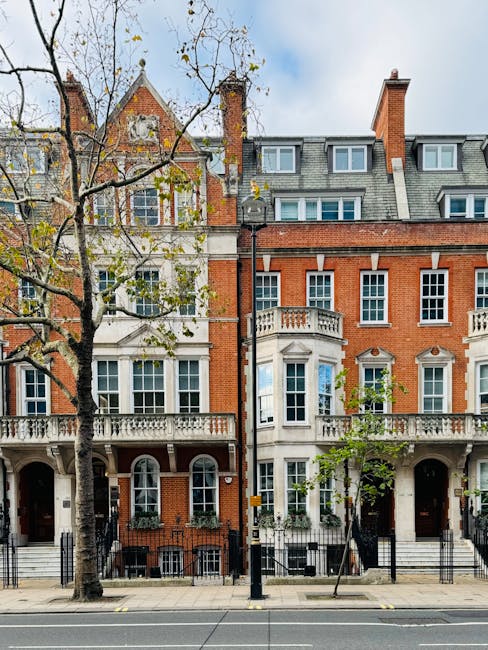
Westbourne Terrace Mould Treatment for Period Conversions
If you live in a period conversion on or near Westbourne Terrace, mould can feel like one of those annoyingly persistent problems that never quite goes away. A patch behind a wardrobe, a musty smell after a rainy week, condensation on old sash windows in the morning - it all adds up. Westbourne Terrace mould treatment for period conversions is not just about removing visible growth. It is about understanding why these homes behave differently, treating the right surfaces in the right way, and stopping the same damp pattern from returning. That matters a lot in older Paddington properties, where beautiful original features often sit alongside modern upgrades that don't always breathe the same way.
This guide walks through what effective mould treatment looks like in a converted period home, why it matters, how the process works, and what to watch out for. You will also find practical steps, common mistakes, a comparison of approaches, and a checklist you can actually use. If you are comparing options in the area, it may also help to look at broader local context through the services overview, or read more about the character of the neighbourhood in this look at Paddington's appeal. Let's get into it.
Table of Contents
- Why Westbourne Terrace Mould Treatment for Period Conversions Matters
- How Westbourne Terrace Mould Treatment for Period Conversions Works
- Key Benefits and Practical Advantages
- Who This Is For and When It Makes Sense
- Step-by-Step Guidance
- Expert Tips for Better Results
- Common Mistakes to Avoid
- Tools, Resources and Recommendations
- Law, Compliance, Standards, or Best Practice
- Options, Methods, or Comparison Table
- Case Study or Real-World Example
- Practical Checklist
- Conclusion
- Frequently Asked Questions
Why Westbourne Terrace Mould Treatment for Period Conversions Matters
Period conversions bring a very specific set of conditions. Thick masonry walls, older joists, shared roofs, altered layouts, and sometimes years of piecemeal refurbishment all influence how moisture moves through the building. Add everyday life - showers, cooking, drying clothes, winter heating, and not quite enough ventilation - and mould can show up in places that seem oddly random at first.
The key point is this: in older converted homes, mould is often a symptom, not the whole problem. Cleaning the surface may improve the appearance, but if the underlying moisture source remains, the issue usually comes back. That is why a proper approach to Westbourne Terrace mould treatment for period conversions focuses on diagnosis first, treatment second, and prevention throughout.
There is also a comfort and value angle. Mould can affect how a home smells, how fresh a room feels, and even how you feel about using the space. For landlords and sellers, that matters. For residents, it is more personal: no one wants to wake up to a blackened bathroom seal or a damp bedroom wall on a cold January morning. Truth be told, it can wear you down.
In Paddington and nearby W2 streets, many residents are juggling beautiful original features with practical modern living. If you are buying, selling, or simply trying to maintain a flat with character, a quick read through purchasing and selling homes in Paddington can also give useful context on what buyers tend to notice.
How Westbourne Terrace Mould Treatment for Period Conversions Works
Good mould treatment is part cleaning, part investigation, and part prevention. The exact method depends on the surface affected and the cause behind the mould. On plaster, paintwork, tile grout, skirting boards, or upholstery, the cleaning process may differ a bit. The principle stays the same: remove the visible growth safely, reduce the moisture source, and help the space dry properly afterwards.
In a period conversion, the work usually starts with identifying the conditions that let mould thrive. Common triggers include:
- condensation from poor ventilation
- cold spots on external walls
- leaks from plumbing, roofs, or gutters
- blocked or ineffective extractor fans
- furniture placed too close to cold walls
- high humidity from everyday use
Once those factors are understood, the treatment itself may involve careful cleaning with appropriate mould-removal products, wiping down affected surfaces, and drying the area thoroughly. In some cases, porous materials that have been badly affected may need replacing. That can sound inconvenient, but sometimes it is the only honest fix.
For textile-related issues, such as mould on carpets or soft furnishings, specialised cleaning is often more effective than a generic DIY spray. If that sounds relevant, see the local page on carpet cleaning in Paddington and the dedicated service for upholstery cleaning. Different materials need different handling. Simple, really - but easy to get wrong.
A professional approach also usually includes checking nearby areas, not just the visible patch. Mould on one wall may be linked to a damp window reveal, a hidden leak behind cabinetry, or condensation in a poorly heated room. This is why quick cosmetic fixes so often disappoint.
Key Benefits and Practical Advantages
There are a few clear reasons why a thorough treatment is worth doing properly rather than rushing it.
- Better indoor air quality: reducing mould helps cut down on that stale, damp smell that can linger in older properties.
- Protection for original features: period plaster, timber, and decorative finishes are worth preserving, and mould can damage them over time.
- Less recurring disruption: when the root cause is addressed, you are less likely to keep revisiting the same corner every few months.
- Improved comfort: a dry, well-ventilated room just feels better to live in. You notice it on a wet Sunday morning, especially.
- Better presentation for tenants or buyers: in a competitive area, a clean and well-kept interior matters. A lot.
There is also a practical management benefit. If you are a landlord, agent, or property manager, dealing with mould early tends to be simpler and less disruptive than waiting for visible staining to spread. For rental turnover, you may also find it useful to review end of tenancy cleaning in Paddington because end-of-tenancy work and mould issues often overlap in real homes.
And here is a small but important one: a properly treated room often feels warmer. Not because mould treatment creates heat, obviously, but because moisture problems can make a property feel clammy and hard to keep comfortable. That small detail can change the whole atmosphere.
Who This Is For and When It Makes Sense
Westbourne Terrace mould treatment for period conversions makes sense for a fairly wide group of people, but the triggers are slightly different depending on who you are.
Homeowners usually need support when mould keeps returning after cleaning, when a bedroom wall becomes cold and patchy in winter, or when condensation is building up despite regular heating and window opening.
Buyers and sellers may need treatment before a sale, during a pre-sale refresh, or after discovering hidden damp during a survey. If you are in that camp, the article on smart real estate investments in Paddington offers a helpful way to think about property maintenance as part of long-term value.
Landlords and letting agents often need a fast but proper response, especially where the mould is affecting habitability or there has been a tenant complaint. That is where good record-keeping and measured action matter. Not glamorous, but necessary.
Residents in shared conversions may need a coordinated approach if mould is linked to a communal roof space, shared gutters, or ventilation systems that affect more than one flat. In those cases, one flat's issue may actually be a building-wide one.
It makes sense to act when you see:
- black spotting around windows or ceiling edges
- flaking paint with a damp smell
- condensation that lingers into late morning
- mould behind furniture on external walls
- recurring growth in bathrooms, utility areas, or kitchens
If you are unsure, a quick inspection is often the best starting point. Better to ask early than wait for the wall to tell you, in its own unhelpful way.
Step-by-Step Guidance
Here is a practical process for dealing with mould in a period conversion without making things worse.
- Identify the visible problem. Note where the mould appears, how large it is, and whether it returns after cleaning. Take photos if needed. Patterns matter.
- Check likely moisture sources. Look for leaks, condensation, poor airflow, blocked vents, or cold surfaces. Sometimes the answer is obvious. Sometimes not.
- Protect the area and yourself. Open windows if conditions allow, wear suitable protection, and avoid dry brushing mould because that can spread spores and dust.
- Clean the affected surface properly. Use methods appropriate to the material. Hard surfaces can often be cleaned more confidently than porous ones. Soft furnishings need more caution.
- Dry the area thoroughly. This is not a step to rush. Drying time matters. In a chilly London flat, it can take longer than people expect.
- Address the cause. Improve ventilation, fix leaks, move furniture, adjust heating patterns, or consider insulation improvements where practical.
- Monitor the space. Watch the same area over the following weeks, especially after cold snaps or heavy rain.
If the mould is widespread, if there is soft plaster, or if the smell is strong and persistent, it is often worth arranging a more detailed assessment. In a period conversion, a small patch on the surface can hide a bigger condensation story. That's the bit people miss.
For general home support beyond mould itself, the domestic cleaning service in Paddington and house cleaning in Paddington pages may be useful if you are planning a broader reset after treatment.
Expert Tips for Better Results
Here are the small things that often make the biggest difference.
- Keep furniture slightly off cold walls. Even a small gap can help air circulate and reduce hidden condensation.
- Use extractor fans properly. Turning them on during and after bathing or cooking is better than forgetting them until the window fogs up.
- Don't overheat one room and underheat another. Big temperature swings can encourage condensation in cooler spaces.
- Check loft and roof voids in converted buildings. Shared roofs and old timbers can hide small leaks for a surprisingly long time.
- Be careful with sealants and paints. Covering a damp wall with the wrong product can trap moisture inside. Not ideal. Not at all.
- Prioritise the source, not the stain. The stain is the symptom. The source is the real job.
A useful rule of thumb: if mould keeps reappearing in the same place, there is almost always a physical reason behind it. That could be ventilation, heat loss, or moisture ingress. Randomness is rarely the explanation.
For issues affecting shared or commercial spaces in the same building, you might also compare approaches with office cleaning in Paddington, especially if the property has mixed-use areas or managed common parts. Different environments need different standards, and that is fair enough.
Common Mistakes to Avoid
These are the errors that tend to cost people time, money, and patience.
- Painting over mould. It might look better for a week or two, but the problem usually returns underneath.
- Ignoring condensation as "just winter weather". Seasonal damp is still a moisture problem if it is persistent.
- Using too much moisture during cleaning. Soaking old plaster or timber can make matters worse.
- Skipping ventilation improvements. If you don't change the conditions, you will likely see the same growth again.
- Forgetting adjacent rooms. Mould in one space can be influenced by what's happening next door or above.
- Assuming all black marks are the same. Some staining is mould, some is soot, and some is a mix. It matters to know which is which.
One of the more common errors in period conversions is treating the building like a modern airtight flat. Older properties often need a more balanced approach: enough warmth, enough airflow, and sensible moisture management. Too little of any one of those, and the issue tends to nudge back.
Tools, Resources and Recommendations
You do not need a van full of equipment to start managing mould sensibly, but the right tools help.
- Hygrometer: useful for checking indoor humidity trends. You do not need perfection, just a sense of what is happening.
- Good lighting: a torch or inspection light helps you spot patches behind furniture, near skirting, or around window frames.
- Mild cleaning supplies and suitable mould treatment products: always match the product to the surface and follow label guidance.
- Ventilation aids: extractor fans, trickle vents, or dehumidifiers where appropriate.
- Basic protective gear: gloves and, where needed, a mask for dusty or contaminated areas.
For customer-facing information and practical service planning, the site's pricing and quotes page can help set expectations before you book anything. If you want to understand the company's standards around safety, you can also review the health and safety policy and insurance and safety information. Those pages matter more than people sometimes realise.
And if you are comparing cleaning support for a whole property refresh after mould treatment, the about us page and W2 carpet cleaning costs guide may be useful. It's all part of making a sensible decision rather than a rushed one.
Law, Compliance, Standards, or Best Practice
Mould treatment is not usually about a single magic rule. It is more about acting responsibly, especially where health, tenancy, and building condition are involved. In the UK, landlords and property managers should take damp and mould complaints seriously and respond in a timely way. Exact obligations can vary depending on the situation, property type, and tenancy arrangement, so it is wise to seek appropriate advice where needed.
For homes in period conversions, best practice usually includes:
- recording the problem and response
- checking for causes before cosmetic treatment
- using cleaning methods suited to the material
- protecting occupants from avoidable exposure during work
- avoiding products or repairs that trap moisture
If the issue is linked to a leak, structural defect, or common part of the building, coordination may be needed with freeholders, managing agents, or neighbours. Shared buildings can get messy in a paperwork sense. That is just how it is. But clarity helps.
For businesses or contractors handling sensitive work, trust and process matter too. Useful background pages include the terms and conditions, privacy policy, and complaints procedure. They are not exciting reading, admittedly, but they tell you a lot about how professionally an organisation operates.
Options, Methods, or Comparison Table
Different mould situations call for different approaches. Here is a simple comparison that may help you think clearly.
| Approach | Best for | Pros | Limitations |
|---|---|---|---|
| Surface cleaning only | Small, isolated patches on hard surfaces | Quick, affordable, straightforward | Often temporary if moisture cause remains |
| Cleaning plus ventilation improvement | Condensation-prone rooms, bathrooms, bedrooms | Better long-term control, less recurrence | May need small upgrades or habit changes |
| Targeted repair and treatment | Leaks, cold spots, damaged plaster, hidden moisture | Addresses the root cause more directly | Can be more involved and may need trades coordination |
| Material replacement | Severely affected porous materials | Removes contaminated or damaged items | More disruptive, but sometimes necessary |
In a period conversion, the best answer is often a mix. A little cleaning, a proper look at airflow, and a sensible repair plan usually beats a quick spray-and-hope approach. To be fair, hope is not a repair method.
Case Study or Real-World Example
Imagine a first-floor flat in a converted townhouse near Westbourne Terrace. The bedroom on the rear wall keeps developing mould behind a chest of drawers. The paint blisters each winter, and there is a faint earthy smell when the heating is switched on after a cold night.
A rushed fix might involve wiping the patch, repainting, and moving on. But a better inspection reveals three factors: the furniture is tight against an external wall, the room is heated intermittently, and the bathroom extractor fan is weak, so humid air lingers after showers.
The sensible response is a combination of treatment and prevention:
- careful cleaning of the affected wall
- drying the room fully before redecorating
- repositioning furniture to allow airflow
- checking and improving bathroom ventilation
- monitoring the room through the next colder spell
That kind of approach is not flashy. It just works better. And once the room stops smelling damp in the morning, people usually notice immediately. Small win, big relief.
If the home is being prepared for tenants or sale, a broader reset with domestic cleaning or even a more comprehensive tidy-up can help the whole property feel cared for, not merely patched.
Practical Checklist
Use this checklist before, during, or after mould treatment in a period conversion.
- Have I identified where the mould is and how far it spreads?
- Have I checked for leaks, condensation, or blocked ventilation?
- Is the affected surface hard, porous, or soft furnishing?
- Have I used a suitable cleaning method for the material?
- Has the area dried fully before any repainting or redecoration?
- Have I improved airflow or heating patterns where needed?
- Have I moved furniture away from cold walls?
- Have I monitored whether the problem returns after a few weeks?
- Do I need professional support for a larger or hidden issue?
- Have I kept a note of the problem in case it affects a tenancy or sale?
If you can tick most of those off, you are in a much better place than when you started. And if you cannot, that is fine too - it just means the job needs a bit more attention.
Get a free quote today and see how much you can save.
Conclusion
Westbourne Terrace mould treatment for period conversions is really about respecting the building. These homes have character, but they also have quirks: older materials, hidden moisture pathways, and rooms that do not always behave like modern boxes. The right treatment clears visible mould, yes, but it also looks behind the stain to understand why it appeared in the first place.
If you focus on diagnosis, careful cleaning, sensible drying, and prevention, you give the property a far better chance of staying healthy. That matters whether you live there, let it out, or are preparing it for sale. It also saves a lot of frustration later, which is worth something in itself.
When a period conversion feels dry, fresh, and looked after, the whole place settles differently. You can feel it. And honestly, that is the point.
Frequently Asked Questions
What causes mould in Westbourne Terrace period conversions?
The most common causes are condensation, poor ventilation, cold external walls, leaks, and everyday moisture from bathrooms or kitchens. In older converted homes, the mix of original structure and later alterations can make these problems more noticeable.
Can I just clean mould myself?
Small patches on suitable hard surfaces may be cleaned carefully, but if the mould keeps returning, covers a larger area, or appears on porous materials, it is better to investigate the cause first. Cleaning alone may only hide the issue for a while.
Is mould in a period conversion more serious than in a modern flat?
Not always, but period conversions often have more complex airflow and heat-loss patterns. That means the cause can be a little less obvious, and the treatment needs to be more thoughtful.
How do I know if the mould is from condensation or a leak?
Condensation usually appears in colder corners, on window frames, or behind furniture on external walls. Leaks often show as spreading stains, damp patches, or repeated growth in the same fixed location. Sometimes you need a proper inspection to be sure.
Will repainting remove the problem?
No. Repainting may improve appearance, but if the wall is still damp or the room still condenses moisture, the mould will likely return. The cause has to be dealt with as well.
How long does mould treatment take?
That depends on the size of the affected area, the surface type, and whether any repairs are needed. A small patch may be treated quickly, while a recurring issue in a period conversion can take longer because diagnosis and drying time matter.
Can mould affect carpets and soft furnishings?
Yes. Carpets, rugs, and upholstery can hold moisture and odour, so they need specialised handling. For that reason, targeted textile cleaning is often more suitable than general surface treatment.
Do I need to move out during mould treatment?
Usually not for small, contained issues, but it depends on the extent of the problem and the method used. If the mould is widespread or work involves heavy disruption, it may be sensible to step away from the area for a time.
What should landlords do about mould complaints?
Landlords should respond promptly, inspect the likely cause, and keep clear records of what was checked and done. If the issue is connected to ventilation or a building defect, it should be addressed rather than repeatedly cleaned over.
How can I stop mould coming back after treatment?
Improve ventilation, keep rooms evenly heated, avoid pushing furniture flush against cold walls, fix leaks quickly, and monitor humidity in the areas that tend to be damp. A small change in routine can make a big difference.
Is professional mould treatment worth it for a small patch?
If the patch is truly isolated and the cause is obvious, you may manage it yourself. But in a period conversion, even a small patch can hint at a larger moisture issue, so professional input can save time and prevent repeat problems.
Where can I find more local cleaning support in Paddington?
You can explore the wider Paddington blog for local property advice, or review related pages such as local insights about life in Paddington and event spaces in Paddington if you are looking at the area more broadly.
What if the mould issue is affecting a shared part of the building?
Shared stairwells, roofs, and walls can complicate matters, especially in converted properties. In those cases, communication with neighbours, managing agents, or freeholders may be needed so the underlying issue is properly investigated and not handled as a single-flat problem.