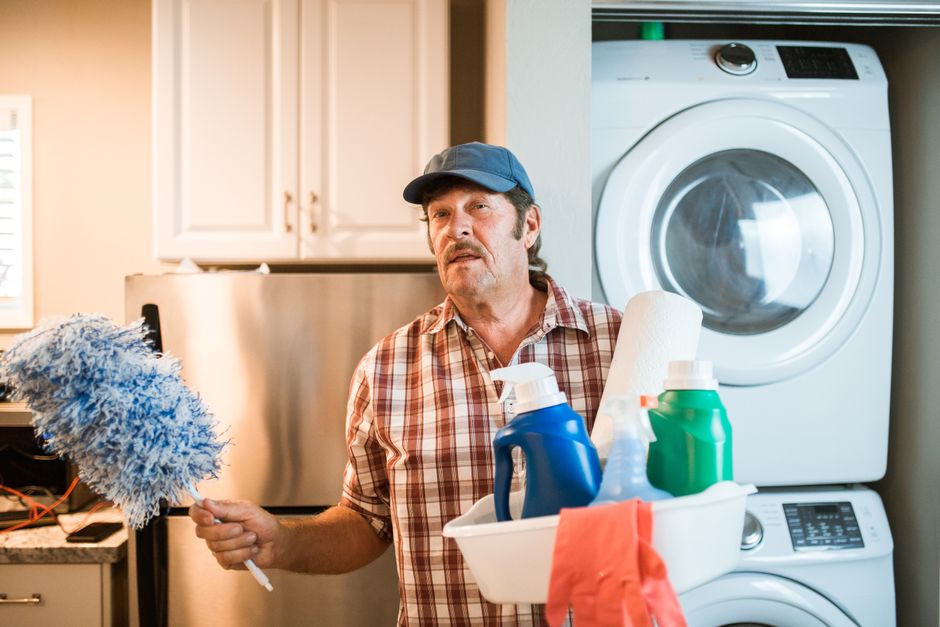
Top 5 Spring Cleaning Tips for Paddington 2026
Spring cleaning in Paddington has a different feel to it. You notice the lighter mornings, the dust on the skirting boards a little more clearly, and that one room you've been meaning to tackle since, well, last year. If you want the Top 5 Spring Cleaning Tips for Paddington 2026, this guide gives you a practical, local-minded plan for cleaning more efficiently, protecting your soft furnishings, and getting results that actually last.
Whether you live in a compact flat near the station, a family home on a quieter street, or you manage a busy rental or office space, spring is the best moment to reset. The trick is not to clean everything at once. It's to clean in the right order, with the right methods, so you save time and avoid the sort of mistakes that leave carpets damp, upholstery marked, or curtains smelling worse than before. Let's get into the useful part.
Why Top 5 Spring Cleaning Tips for Paddington 2026 Matters
Spring cleaning matters because it does more than make a home look nicer for a week. In a place like Paddington, where people move between busy streets, shared entrances, older buildings, and modern apartments, dirt builds up in layers. Fine dust, cooking residue, pet hair, pollen, foot traffic grit - it all settles in quietly. You don't always see it, but you feel it: the room looks flat, fabrics hold odours, and carpets lose that soft, fresh feel underfoot.
There's also a very practical reason to do it properly in 2026. Homes are being used harder than ever. Many people work from home a few days a week, entertain more casually, and use the same living spaces for relaxing, eating, and working. That means sofas, rugs, mattresses, curtains, and carpets all take a beating. A proper spring reset helps you restore those surfaces before the warm months arrive.
And truth be told, spring is simply the easiest time to open windows, air out rooms, and dry cleaned textiles without the same hassle you get in winter. That doesn't mean you should rush. It means you should be strategic.
Expert summary: The most effective spring cleaning plans in Paddington are the ones that start with decluttering, move into deep cleaning soft furnishings, and finish with targeted stain and odour control. Clean top-down, dry fast, and avoid soaking anything that isn't built for it.
How Top 5 Spring Cleaning Tips for Paddington 2026 Works
The idea is simple: spring cleaning works best when it's treated like a sequence, not a random weekend scramble. If you clean the floor before the shelves, you'll just create more mess. If you shampoo a carpet before removing dust from curtains and upholstery, airborne particles will resettle. So the process matters just as much as the products.
The Top 5 Spring Cleaning Tips for Paddington 2026 are built around a practical flow:
- Clear the space first so you can see what actually needs attention.
- Clean from high to low to stop dust falling onto freshly cleaned areas.
- Use the right method for each fabric or surface, especially on carpets, rugs, curtains, and upholstery.
- Deal with stains and odours early, before they settle deeper.
- Finish with drying, airing, and protection so the work lasts.
This is where many people go wrong. They buy a strong spray, scrub hard, and hope for the best. In real life, a gentler, more methodical approach usually wins. If a sofa smells a bit stale or a hallway carpet looks dull, the answer is not always more water. Sometimes it's better extraction, better drying, or a different cleaning technique altogether.
If you need specialist support for fabric-heavy rooms, services such as carpet cleaning, sofa cleaning, and upholstery cleaning can be a sensible part of the plan, especially when you want a deeper reset without guesswork.
Key Benefits and Practical Advantages
Spring cleaning is about more than presentation, although let's be honest, a tidy room does feel better. The real benefit is that it helps your home function better day to day. You can move more easily, breathe a little easier, and spot maintenance issues before they become annoying or expensive. A loose carpet edge, a damp smell behind furniture, or a stain that keeps returning often shows up more clearly once the clutter is gone.
Here are the most useful advantages:
- Better indoor freshness: Airflow improves when dust and stale debris are removed from fabrics and corners.
- Longer life for furnishings: Gentle, regular care prevents build-up that wears fibres down over time.
- Cleaner appearance with less effort later: A properly cleaned room stays manageable for longer.
- Improved guest readiness: Handy if you're hosting family, tenants, or clients.
- Better support for allergy-sensitive households: While not a medical claim, reducing dust and fabric build-up can make rooms feel less stuffy.
There's also the psychological lift. A cleaner hallway or fresher bedroom can change how the whole home feels. You walk in and think, yes, that's better. Small thing, big difference.
Who This Is For and When It Makes Sense
This approach is useful for almost anyone in Paddington, but it especially suits people who want a smarter way to clean rather than a bigger one. If you're short on time, living in a smaller flat, sharing a property, or managing multiple rooms with different fabric types, a structured plan saves energy and avoids muddle.
It makes particular sense if:
- you've noticed traffic marks on carpets or a dull patch near entryways
- your sofa or armchairs have picked up everyday odours
- your curtains collect dust but are rarely removed or treated
- pets have added hair, odour, or the occasional accident
- you're moving in, moving out, or preparing for guests
- you manage a small business and want the premises to look sharp
For commercial spaces, spring is also a good time to review higher-traffic floors and soft furnishings. If that's your situation, commercial carpet cleaning can help keep reception areas, meeting rooms, and corridors looking professional without disrupting the day too much.
And if the job feels larger than you first thought - which, to be fair, happens a lot - that's normal. People usually start with "just a quick tidy" and end up with three bags for donation, one mystery stain, and a very tired Hoover.
Step-by-Step Guidance
1. Start with a ruthless declutter
Before you clean, remove the things that get in the way. Old magazines, spare cushions, shoes by the door, half-empty cleaning products, random cables - all of it. Put items into clear groups: keep, relocate, donate, bin. Don't overthink the easy decisions. If you haven't used it in ages and it's only taking up space, out it goes.
A decluttered room gives you better access to the surfaces that actually need attention. It also means you won't waste time cleaning around objects and missing the dust underneath. That part is rarely glamorous, but it matters.
2. Clean high surfaces first
Wipe down shelves, picture frames, light fittings, windowsills, and the tops of wardrobes before touching the floor. Dust falls. That's just life. If you vacuum first, you'll end up repeating yourself, and nobody needs that kind of hobby.
Use a microfibre cloth for delicate surfaces and work slowly around corners where dust collects. For curtains and fabric blinds, consider a proper refresh instead of aggressive spot cleaning. A service such as curtain cleaning can be useful when the fabric is too large, too delicate, or too dusty to handle well at home.
3. Deep clean soft furnishings
This is the part that often delivers the biggest visible change. Sofas, rugs, mattresses, and upholstery absorb everyday life. They take in crumbs, pet hair, body oils, spillages, and all the little things you stop noticing until spring sunlight shows them up.
If you do nothing else beyond the surface sweep, do this properly. Choose the cleaning approach based on the material, not on guesswork. A wool rug is not the same as a synthetic hallway runner. A mattress needs different treatment from a velvet chair. For deeper freshness, options like rug cleaning, mattress cleaning, and sofa cleaning are often more effective than a quick home spray.
4. Deal with stains and odours early
Don't leave stains until the end and hope they disappear on their own. They won't. In fact, rubbing them too hard can push them deeper. Blot first, then treat carefully, and avoid saturating the area unless the cleaning method is designed for it.
For pet accidents or recurring smells, specialised treatment is often worth it. A targeted pet stain and odour removal approach is usually much safer than using a strong household chemical and crossing your fingers. If you're dealing with a mark on a rug, chair, or carpet and you're not sure what caused it, stain-specific care is the better route.
5. Finish with drying, airing, and maintenance
Freshly cleaned spaces need airflow. Open windows if the weather allows, keep doors ajar where practical, and avoid putting heavy furniture back too quickly on damp fibres. Drying is not a footnote. It's part of the process.
For carpets, professional extraction or steam-based methods can help reduce residue and leave the pile feeling more even, especially in busy hallways or reception areas. If you want that deeper reset, steam carpet cleaning is often a strong option for robust carpet types when used correctly.
Expert Tips for Better Results
A few small adjustments can make a big difference. Here's what tends to separate a decent spring clean from one that actually lasts beyond the weekend.
- Work room by room: Don't jump between rooms unless you enjoy half-finished jobs everywhere.
- Test products on hidden areas: Especially on upholstery and coloured fabrics.
- Use less liquid than you think: Over-wetting is one of the fastest ways to create lingering smells.
- Vacuum slowly: Give the machine time to lift grit from the pile.
- Lift cushions and move furniture: The dust behind the sofa is usually... instructive.
- Keep a towel nearby for fast blotting: Spills happen. Usually right after you've put the cleaning stuff away.
One practical trick: clean the most noticeable surfaces early in the day while natural light is strongest. Around late morning, you'll see dusty spots, smudges, and patchy areas much more clearly. It sounds obvious, but you'd be surprised how often people try to clean a room at dusk and miss half the problem.
If you're preparing to book a professional job, it can help to review pricing and quotes in advance so you know what's included and can compare the scope of work sensibly, not emotionally.
Common Mistakes to Avoid
Spring cleaning goes wrong in very predictable ways. The good news is that most of them are avoidable.
- Using one cleaner for everything: Different surfaces need different care.
- Scrubbing stains aggressively: This often spreads the mark or damages the fabric.
- Cleaning floors before dusting high surfaces: You just create extra work.
- Skipping drying time: Damp fabrics can smell musty later.
- Forgetting hidden spots: Behind radiators, under sofa skirts, under beds, and along skirting boards.
- Ignoring odours: If something still smells off after cleaning, the source may not have been fully treated.
The biggest mistake? Trying to do the whole home in one rushed blast. That sounds efficient, but usually it means tired arms, patchy results, and one or two areas you quietly decide not to mention again. A better plan is slower, more deliberate, and honestly less stressful.
Tools, Resources and Recommendations
You do not need a cupboard full of gadgets. You need the right basics and a sense of order. For most spring cleans, these are the essentials:
- vacuum with decent suction and attachments
- microfibre cloths
- bucket and two mop heads or washable pads
- soft brushes for fabric and skirting edges
- lint roller or pet hair remover
- clean towels for blotting
- mild, material-appropriate cleaning solutions
- gloves if you're handling anything gritty or chemical
For soft furnishings, sometimes the smartest tool is not the bottle under the sink but a specialist service. Carpet fibres, upholstery weave, and curtain fabric all age differently, and it helps to match the treatment to the material. If you're not sure where to start, browsing about the company and the relevant service pages can help you understand the approach before you book anything.
It's also worth paying attention to sustainability. Choosing longer-lasting cleaning methods, reusing tools properly, and avoiding wasteful overuse of products are all small but sensible habits. If that matters to you - and it should, really - you can look at the company's recycling and sustainability information for an idea of how responsible disposal and practical cleaning habits fit together.
Law, Compliance, Standards, or Best Practice
Spring cleaning in a home is mostly a matter of good practice, but once you involve rented property, managed premises, or professional cleaning services, a few standards of care become relevant. The exact obligations depend on the setting, so it is always sensible to be cautious rather than assume.
In general, best practice includes:
- using cleaning products according to their instructions
- ventilating rooms where chemicals or strong fragrances are used
- protecting surfaces and fabrics from damage through testing and spot treatment
- keeping pathways clear to reduce slip risks while floors are drying
- making sure any professional cleaning provider has suitable insurance and health and safety measures in place
If you are arranging work in a shared building, office, or rental property, it is worth checking practical concerns such as access, timing, and what happens if an area must remain wet for a while. That is especially relevant in Paddington properties with narrow halls, communal entrances, or high footfall. For peace of mind, review pages such as insurance and safety and the company's health and safety policy before committing to larger jobs.
Payment, booking, and data handling also matter when you work with a service provider. If you're sharing contact details or arranging a quote online, it's sensible to check payment and security and the privacy policy. Nothing dramatic, just good housekeeping - the digital kind.
Options, Methods, or Comparison Table
Different spring cleaning methods suit different priorities. A quick domestic refresh is not the same as a full deep clean, and a worn hallway carpet needs a different approach from a lightly used guest room rug.
| Method | Best for | Strengths | Watch out for |
|---|---|---|---|
| DIY surface clean | Light dust, general tidy-up, low-risk areas | Cheap, fast, flexible | Easy to miss deeper dirt; not ideal for stubborn stains |
| Targeted spot treatment | Small stains, localised marks, occasional spillages | Focused, efficient, less disruptive | Wrong product can set the stain or damage fibres |
| Professional carpet or upholstery cleaning | High-traffic carpets, sofas, rugs, mattresses | Deeper clean, better extraction, more even results | Needs planning for drying and access |
| Steam-based cleaning | Robust carpet types and heavy build-up | Strong soil removal potential, fresh finish | Not suitable for every material; technique matters |
The right choice usually depends on fabric type, level of soiling, and how much time you can give the space to dry properly. If the item is valuable, delicate, or awkward to move, caution beats improvisation every time.
Case Study or Real-World Example
A fairly typical Paddington scenario: a one-bedroom flat with a busy hallway carpet, a sofa that has seen too many takeaway nights, and a rug under the coffee table that looked fine until the spring light hit it. Nothing dramatic. Just normal life.
The owner started with decluttering and dusting, then vacuumed the whole place carefully. The carpet looked better immediately, but the sofa still held a faint stale smell, and the rug had a couple of dark traffic marks. A DIY spray helped only a little, mainly because the marks had been there a while. The better move was to treat the rug separately and refresh the upholstery with the right method rather than using more product and hoping it would behave.
After that, the room felt brighter, the air was fresher, and the whole flat seemed bigger. Not because anything miraculous happened. Just because the heavy, dull layer had been removed. That's the part people often underestimate. Clean fabrics change the feel of a room more than another candle ever will.
In a slightly larger property, the same principle applies at scale. Office carpets, waiting areas, or shared hallways can benefit from a deeper reset, especially if they carry frequent foot traffic. The method is the same: assess, clean in order, dry well, then maintain.
Practical Checklist
Use this checklist to keep your spring clean on track. It is simple on purpose.
- Remove clutter from every room
- Dust top surfaces, shelves, and light fittings
- Wipe skirting boards, windowsills, and doors
- Vacuum carpets slowly and thoroughly
- Lift cushions and clean under furniture
- Treat stains before they settle further
- Refresh sofas, rugs, curtains, and mattresses where needed
- Allow enough drying time
- Air the property well
- Replace items only once surfaces are fully dry
- Check for lingering odours or marks
- Schedule any specialist cleaning early if the job looks larger than expected
Quick takeaway: Clean in the right order, protect your fabrics, and dry everything properly. That is the real difference between a spring tidy and a spring reset.
If you want help deciding which services make sense for your home or premises, it's worth speaking directly through contact us. And if you want to understand the service terms before proceeding, the terms and conditions are there for clarity.
Get a free quote today and see how much you can save.
Conclusion
The best spring cleaning results in Paddington come from a clear plan, not a frantic one. Start by clearing the space, work from the top down, treat soft furnishings carefully, and make drying part of the job rather than an afterthought. That is how you get a home that feels genuinely fresher, not just tidier for one afternoon.
For many households, the biggest gains come from carpets, sofas, rugs, curtains, and mattresses - the places where everyday life quietly accumulates. Handle those well, and the rest of the room often follows. Simple as that. Well, mostly simple.
And if you're unsure where to begin, that's fine too. Spring cleaning is one of those jobs that looks huge right up until the first bag is filled, the first carpet edge is lifted, and the room starts to breathe again. Then it all makes sense.
Frequently Asked Questions
What are the Top 5 Spring Cleaning Tips for Paddington 2026?
The five core tips are: declutter first, clean from high to low, deep clean soft furnishings, treat stains early, and finish with proper drying and airing. That sequence gives the best balance of speed and results.
How often should I spring clean carpets and upholstery?
For busy homes, carpets and upholstery often benefit from deeper attention at least once a year, with regular vacuuming and spot care in between. High-traffic homes or pet households may need more frequent treatment.
Is steam carpet cleaning safe for all carpets?
No, not all carpets are suitable for steam-based methods. Fibre type, dye stability, and backing materials all matter. If a carpet is delicate or expensive, check compatibility before using heat and moisture.
What is the best way to remove spring dust from curtains?
Start by vacuuming with a soft brush attachment if the fabric allows it. For thicker curtains or delicate materials, professional curtain cleaning is often the safer option, especially if the fabric holds odours or has not been cleaned for a long time.
Can I clean a mattress myself in spring?
You can do light maintenance such as vacuuming, airing, and spot blotting, but mattresses are easy to over-wet. If there are stains, odours, or allergen build-up, a professional mattress clean is often the safer route.
How do I deal with pet smells during spring cleaning?
Identify the source first, then treat the affected area carefully. A targeted pet stain and odour removal approach is usually better than using general cleaners, especially on carpet and upholstery.
What should I clean first in a spring clean?
Begin with clutter removal, then dust high surfaces, then move down to carpets, rugs, upholstery, and floors. This stops dust and debris from falling onto freshly cleaned areas.
How long does it take to dry carpets after cleaning?
Drying time depends on the method, material, room ventilation, and how much moisture was used. Good airflow helps. Avoid walking heavily on the area until it is fully dry.
Should I hire a professional or do it myself?
It depends on the item and the risk involved. DIY works fine for general tidying and light upkeep. For delicate fabrics, set-in stains, or busy carpets, professional cleaning is usually the more reliable choice.
What should I ask before booking a cleaner in Paddington?
Ask what is included, how they handle delicate fabrics, what drying expectations are, and whether they have appropriate insurance and safety procedures. If you need clarity on costs, review pricing information before you book.
Can spring cleaning help reduce bad odours in a flat?
Yes, especially when the smell comes from carpets, upholstery, curtains, or mattresses. Removing build-up and improving airflow usually helps the home feel fresher, though persistent odours may need specialist treatment.
What if I only have one weekend to clean?
Focus on the highest-impact areas first: hallway, living room, kitchen-adjacent soft furnishings, and the bedroom. Don't aim for perfection everywhere. Better to do the important jobs properly than rush through the whole place badly.