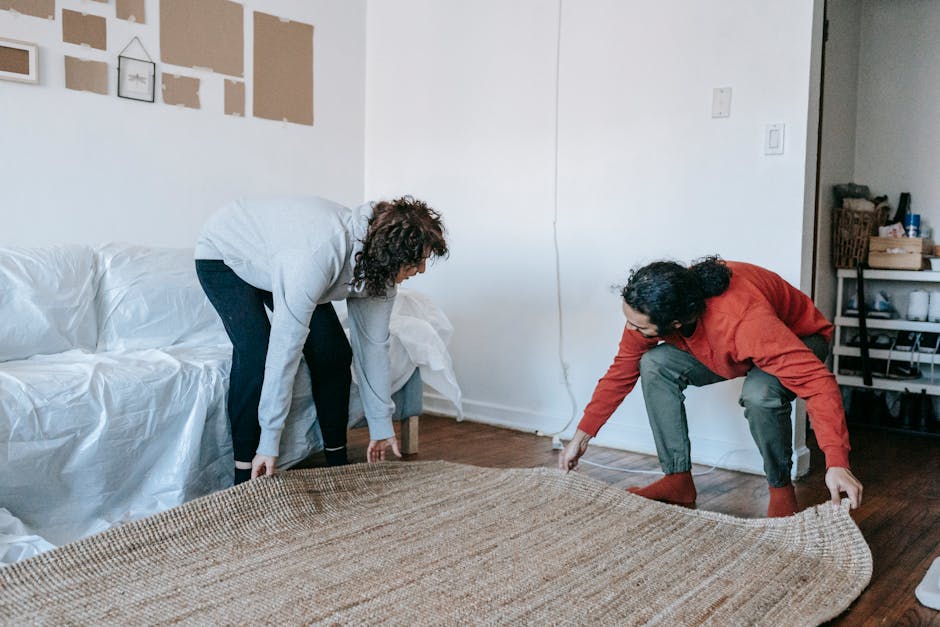
Bulk Carpet Removal in Paddington: Costs & Council Notes

If you are staring at rolled-up carpet, underlay, and maybe a few stubborn gripper rods after a refit, you are not alone. Bulk carpet removal in Paddington sounds simple on paper, but once the strips start piling up, the job becomes a mix of lifting, disposal planning, building access, and a bit of council common sense. That is where a clear guide helps. In this article, we'll walk through the real-world costs, what usually affects the price, and the council notes worth checking before you move a single roll downstairs.
Paddington properties can be a little awkward in the best possible way: mansion blocks, converted flats, compact stairwells, and tight loading spaces. So the difference between a smooth removal and a frustrating one often comes down to preparation. Let's make it easier.
Why Bulk Carpet Removal in Paddington: Costs & Council Notes Matters
Bulk carpet removal is more than just "getting rid of old flooring." It can affect your moving schedule, refurbishment budget, waste handling, and even how neighbours experience the work. In Paddington, that matters because many homes and commercial spaces are in shared buildings where lift use, hallway protection, and waste storage need a bit of coordination.
Cost is usually the first question, naturally. But council notes often matter just as much. If your removal creates bulky waste, blocks a communal area, or involves skips, you may need to think about permissions, estate rules, or timed access. Not glamorous, I know. But it saves headaches later.
There is also the environmental angle. Carpet is bulky, awkward to carry, and not always simple to recycle. If you are trying to reduce landfill waste, it helps to understand the best removal route before you start cutting sections up in a rush.
Expert summary: the cheapest carpet removal is not always the best one. A tidy, compliant removal that avoids building issues, missed collections, or repeat trips often works out better overall.
For homeowners, landlords, office managers, and letting agents, the big win is clarity: knowing what the job involves, what it may cost, and what local conditions could affect the plan.
How Bulk Carpet Removal in Paddington: Costs & Council Notes Works
Most bulk carpet removals follow a familiar pattern, even if the building itself is slightly awkward. The team or the property owner identifies the carpet area, removes the coverings, lifts underlay if needed, deals with grippers and staples, then moves the waste out safely for disposal or recycling.
In practical terms, there are usually five moving parts:
- Assessment - measuring the space, checking access, and estimating waste volume.
- Preparation - moving furniture, protecting floors, and planning safe routes out of the property.
- Removal - cutting, rolling, lifting, and bagging materials in manageable sections.
- Transport - carrying waste down stairs, through lifts, or to a collection point.
- Disposal - placing materials into the correct waste stream, where possible.
The main cost driver is rarely just the carpet itself. It is the whole chain around it. A ground-floor room with easy parking is a very different job from a fourth-floor flat with no lift and a narrow stairwell. Truth be told, access can matter as much as square footage.
If the carpet has been glued down, or if there are multiple layers, the work becomes slower and more physical. Add in tacks, damaged underlay, or heavy commercial carpet tiles, and you can see why quotes vary so much.
Paddington-specific council notes usually centre on practical waste handling rather than anything exotic. That means checking whether bulky waste can be left out for collection, whether a permit or estate approval is needed for a skip, and whether the timing of the removal affects neighbours or shared access. You do not want to discover that at 7:30 on a weekday morning.
Key Benefits and Practical Advantages
There are a few clear reasons people choose organised bulk carpet removal rather than trying to piece it together alone.
- Less physical strain: old carpet and underlay are heavier than they look. They can be awkward, dusty, and tiring to shift.
- Cleaner handover: if you are selling, letting, or renovating, removing old carpet properly gives the space a much better finish.
- Faster project progress: carpet removal is often the first step before new flooring, deep cleaning, or decorating.
- Better waste control: a planned removal helps separate recyclable material where possible and avoids messy fly-tipping habits.
- Reduced risk of damage: careful handling protects walls, skirting, lifts, and shared hallways.
There is also a commercial benefit. For landlords and managing agents, a straightforward carpet strip-out can reduce delays between tenancies. For businesses, it can be the difference between staying on schedule and discovering that the old floor is somehow the most stubborn thing in the building.
And yes, a properly cleared room simply looks better. A bare subfloor, even before replacement, often makes the whole place feel lighter and easier to assess.
If your project is bigger than one room, it can also be worth comparing related services such as carpet cleaning, steam carpet cleaning, or commercial carpet cleaning if you are deciding whether removal is actually necessary or if restoration may be enough.
Who This Is For and When It Makes Sense
Bulk carpet removal in Paddington makes sense for a wide range of people, but the triggers are often quite specific.
- Homeowners renovating one or several rooms.
- Landlords replacing tired flooring between tenancies.
- Letting agents handling end-of-tenancy turnaround work.
- Commercial property teams removing old flooring after fit-out changes.
- Residents in flats where bulky waste is too much to manage alone.
It also makes sense if the carpet is beyond saving. Maybe it has been soaked, badly stained, or heavily worn at the edges. Maybe it smells a bit musty after years in place. Maybe it is just old and you know, deep down, that no amount of vacuuming is going to rescue it. Fair enough.
Sometimes the decision is about timing rather than condition. If new flooring is arriving on a fixed date, the old material needs to be out of the way first. That is especially important in Paddington's tighter access properties, where even one delay can throw off the rest of the job.
For some properties, professional removal sits alongside other services such as upholstery cleaning, sofa cleaning, rug cleaning, or mattress cleaning when a full refresh is needed before new tenants move in or after a renovation.
Step-by-Step Guidance
If you want the process to run smoothly, think of it as a sequence rather than a single task. Here is a practical way to approach it.
- Measure the area. Note the number of rooms, stair runs, and any landings. If the carpet is glued, mention that early.
- Check access. Look at parking, lift availability, entry codes, and whether there is enough room to move long rolls safely.
- Ask about waste handling. Find out how the carpet, underlay, and fixings will be bagged or separated.
- Confirm building rules. If you live in a managed block, ask whether there are quiet hours, loading restrictions, or a booking system for lifts.
- Prepare the room. Remove fragile items, small furniture, and anything that could snag or get dusty.
- Lift and roll sections. Carpet is usually cut into manageable pieces, rolled tightly, and secured for transport.
- Clear fixings. Take out staples, tacks, gripper rods, and adhesive residue where agreed.
- Inspect the subfloor. Once the carpet is gone, check for damage, moisture, or lingering adhesive before the next stage.
That sounds straightforward, but it really does pay to slow down at the planning stage. A ten-minute check on access can save an hour of awkward lifting later. That's the sort of thing people only learn once, usually the hard way.
If you are arranging the job for a wider refurbishment, keep the flooring sequence in mind. Carpet removal should sit neatly before decorating, floor levelling, or fitting new floor coverings. Otherwise you end up backtracking, which nobody enjoys.
Expert Tips for Better Results
Small decisions make a noticeable difference with bulk carpet removal. Here are the habits that tend to save time and reduce stress.
- Ask for a clear scope. Make sure the quote covers carpet only, or carpet plus underlay, or carpet plus adhesive removal. Those are not the same job.
- Separate furniture moves from disposal if needed. If large items need shifting, say so early rather than assuming they will be included.
- Protect communal areas. In Paddington blocks, hallway protection and tidy transport routes are worth their weight in gold.
- Photograph the space before and after. Handy for landlords, agents, and anyone managing a handover.
- Leave a little breathing room in the schedule. Carpet jobs can uncover surprises: damp patches, old fixings, or hidden underlay damage.
One practical tip that people overlook: check what else is being removed from the room. If you are replacing carpet in a bedroom, it may be a good moment to deal with odours or stains in nearby soft furnishings too. Services like pet stain odour removal and stain removal can make a room feel properly reset, not just stripped back.
Also, keep communication simple. A short message with room count, floor level, and access notes is far more useful than a vague "it's a normal flat, should be fine." Usually it is not normal. Paddington has a funny way of proving that.
Common Mistakes to Avoid
Most problems with bulk carpet removal come from underestimating the details. The carpet itself is only part of the story.
- Ignoring access issues. A job can get delayed if lifts are out of action or parking is tighter than expected.
- Forgetting underlay and fixings. These extras add time, labour, and waste volume.
- Assuming disposal is automatic. It is worth checking exactly how materials will be taken away.
- Not checking communal rules. Some buildings are strict about hallways, loading bays, and noisy work.
- Leaving the room unprepared. Furniture, cables, and loose items slow everything down.
- Choosing purely on price. The cheapest quote can become expensive if it excludes key parts of the job.
Another common slip is failing to ask what happens after removal. If the job exposes damaged subflooring, is that just left as-is? Does the provider remove old adhesive? Will the floor be ready for a cleaner, fitter, or decorator? Worth asking. Really worth asking.
One tiny human reality: people often think carpet removal is a "same-day quick win." Sometimes it is. Sometimes it isn't. The difference usually comes down to preparation and access, not effort alone.
Tools, Resources and Recommendations
Whether you are doing some of the work yourself or simply planning the job with a contractor, the right tools and references make the process far smoother.
| Item | What it helps with | Why it matters |
|---|---|---|
| Utility knife | Cutting carpet into strips | Makes lifting and carrying easier |
| Heavy-duty bags or wraps | Containing waste | Helps keep hallways and vehicles cleaner |
| Work gloves | Protecting hands from staples and rough backing | Simple protection, but very useful |
| Flat pry bar or scraper | Removing tack strips and adhesive residue | Useful for preparing the subfloor |
| Floor protection sheets | Protecting entrances and communal floors | Important in shared buildings |
For residents or managers who want a better sense of pricing and scope, the site's pricing and quotes information can help frame the discussion before you book anything. It is a sensible place to start if you are comparing options.
If you are planning the wider property refresh, it may also help to look at recycling and sustainability guidance. Not every flooring material is equally easy to process, and making thoughtful decisions at the start is usually better than improvising at the kerb.
For background on company values, practical safeguards, and service expectations, the pages on health and safety policy and insurance and safety are also worth reviewing. That kind of reassurance matters when tools, dust, and shared access are involved.
Law, Compliance, Standards, or Best Practice
There are a few sensible compliance points to keep in mind, even if the work is fairly routine. In the UK, waste should be managed responsibly, and bulky materials should not be left in a way that causes hazards, obstruction, or nuisance. In shared buildings, lease terms or management rules may also apply. That is not always exciting reading, but it does matter.
For larger jobs, the practical question is usually whether the carpet is treated as general bulky waste, whether it can be recycled, and whether any adhesives or fixings require additional care. Different contractors will handle this differently, so it is best not to assume. If the property is commercial, there may be extra internal procedures around access, fire routes, and out-of-hours work.
Best practice usually means:
- protecting access routes and shared surfaces,
- using safe lifting methods,
- keeping waste secure and tidy,
- checking building rules before the work starts,
- and separating recyclable material where practical.
There is also the trust side of the equation. A provider should be transparent about scope, payment handling, and policies. It is fair to ask questions before you agree anything. In fact, you should. The useful pages on payment and security, terms and conditions, and privacy policy can help you understand how a professional service handles the basics.
Options, Methods, or Comparison Table
There is more than one way to approach carpet removal. The right choice depends on the property, budget, and how much of the work you want to handle yourself.
| Method | Best for | Pros | Trade-offs |
|---|---|---|---|
| DIY removal | Small, simple rooms with easy access | Lower direct cost, flexible timing | Physical effort, disposal hassle, more risk of damage |
| Partial professional support | Mixed-access jobs where you need help with the heavy lifting | Reduces strain, keeps disposal organised | May still require some preparation from you |
| Full professional removal | Larger properties, stairs, glued carpet, or time-sensitive projects | Fast, tidy, less stress, easier coordination | Higher upfront spend |
In practice, many Paddington customers choose full or partial support because access is the real bottleneck. A flat may not be huge, but three flights of stairs and a narrow corridor can make the work feel twice as long. That is just life in a lot of London buildings, to be honest.
If the flooring is still in decent condition, it can sometimes be worth checking whether cleaning is the better answer. A service like carpet cleaning or steam carpet cleaning may extend the carpet's life and delay the cost of replacement. On the other hand, if the carpet is damaged, bulky removal is the cleaner path.
Case Study or Real-World Example
Here is a realistic example based on the kind of job that comes up often in Paddington. A two-bedroom flat in a converted building needs old carpet removed before new flooring is fitted. The carpet is worn at the edges, the underlay has broken down in patches, and there is no lift. The entrance is shared, and the loading area outside is tight.
The first mistake would be to treat this as a quick lift-and-go job. It is not. The better approach is to measure the rooms, confirm stair access, protect the hall, and plan for extra time to carry waste down safely. Once the carpet is cut into manageable lengths, the work becomes steady rather than chaotic. It still takes effort, but it stops feeling like a wrestling match with the floor.
In a case like this, the biggest savings often come from avoiding repeat visits. If everything is planned properly, the old carpet, underlay, and fixings go out in one controlled pass. The flat is left ready for the next stage, and the tenant or owner does not lose another day waiting for a second collection. Simple, but very effective.
That kind of job also shows why council and building notes matter. If communal access needs to be kept clear, or bulky waste cannot be left outside, the timing has to be right. A little coordination makes the whole thing feel far less stressful. And yes, it usually saves money too.
Practical Checklist
Use this checklist before booking or starting bulk carpet removal in Paddington:
- Measure every room and note any stairs or awkward corners.
- Confirm whether the carpet is loose-laid, tacked, or glued down.
- Check if underlay, gripper rods, and adhesive removal are included.
- Ask about access, parking, lift use, and loading restrictions.
- Review building rules if you live in a block or managed property.
- Protect hallways, thresholds, and shared floors.
- Clear furniture, cables, and small loose items in advance.
- Decide whether waste will be reused, recycled, or disposed of as bulky waste.
- Confirm the quote, timing, and payment terms before the day.
- Inspect the subfloor after removal so the next trade can start cleanly.
Quick takeaway: the more detail you sort out before the job starts, the less likely you are to face delays, extra labour, or surprise costs. It really is that simple.
Get a free quote today and see how much you can save.
Conclusion
Bulk carpet removal in Paddington is not just a disposal job. It is a small project with moving parts: access, waste handling, building rules, labour, and timing. Once you understand those pieces, the costs make far more sense. You can also avoid the classic mistakes that turn a straightforward strip-out into a long, dusty afternoon.
If you are replacing worn flooring, preparing a rental property, or clearing a commercial space, the best results usually come from careful planning and honest scope-setting. That is the unglamorous truth, but it works. And when the room is finally cleared, there is a real sense of relief. Fresh start. Blank slate. New floor waiting.
Take your time with the details, ask the right questions, and the job becomes much easier than it first looks. Small win, but a meaningful one.
Frequently Asked Questions
How much does bulk carpet removal in Paddington usually cost?
Costs vary depending on room size, access, carpet condition, whether underlay is included, and how the waste is removed. A simple ground-floor job is usually much easier than a top-floor flat with stairs and no lift, so quotes can differ quite a bit.
What affects the price the most?
The biggest factors are access, volume of waste, whether the carpet is glued down, and whether extras like underlay or adhesive removal are needed. In many cases, access is the hidden cost driver.
Do I need council permission to remove carpet?
Usually the removal itself does not need special permission, but bulky waste handling, skips, or shared-space rules may involve council guidance or building approval. If you live in a managed property, it is wise to check internal rules too.
Can old carpet be recycled?
Sometimes, yes, depending on the material and how contaminated it is. Not every carpet can be recycled easily, but separating clean material and underlay where practical can improve the chances.
Is it better to clean carpet or remove it?
If the carpet is structurally sound and the main problem is dirt or light staining, cleaning may be enough. If it is worn through, badly damaged, or badly odoured, removal usually makes more sense.
How long does carpet removal take?
A small, easy-access room can be fairly quick, while a larger flat or commercial space may take longer. Stairs, glued carpet, and bulky waste handling all add time. It is best to plan for a bit of flexibility.
Will the removal include underlay and gripper rods?
Not always. Some quotes cover carpet only, while others include underlay and fixings. Always confirm the scope so you do not get caught out later.
What should I do before the team arrives?
Move small furniture, clear fragile items, and make sure access routes are open. If you are in a shared building, let neighbours or the manager know if needed. A little prep goes a long way.
What if the carpet is glued down?
Glued carpet can take more time and may need extra tools or labour. It is one of the first things to mention when asking for a quote because it changes the job significantly.
Can carpet removal happen in a flat without a lift?
Yes, but it is more demanding. Stairs, corners, and narrow hallways make the work slower, so access planning becomes very important. Paddington has plenty of properties where this is exactly the issue.
Is it worth comparing removal with deep cleaning first?
Absolutely. If the carpet is still in decent condition, professional cleaning may extend its life and delay replacement. If not, removal is usually the cleaner and more practical route. A quick comparison can save a lot of guesswork.
How can I make sure the job goes smoothly?
Be clear about room sizes, floor level, access, and what needs removing. Confirm timing, disposal, and any building restrictions before the day. Good planning makes the whole thing feel far less like a faff.